START METAL DETECTING THE RIGHT WAY
Metal detecting is one of the most rewarding outdoor hobbies you can take up, but it can feel confusing at the beginning. This guide will help you understand what you need, where you can detect, how permissions work, and how to start responsibly.
Everything a beginner needs to know about equipment, permissions, rules, and getting started with confidence.
quick links
- What You Need
- Choosing a Detector
- Where You Can Detect
- How Permissions Work
- Responsible Detecting
- treasure and recording finds
- rules, laws and Insurance
- clubs ans rallies
- Free Permission Pack
- Next Steps
What do you actually need to start?
You do not need loads of expensive kit to begin metal detecting. A metal detector, headphones, pinpointer, digging tool and finds pouch is a simple set up and enough to get you started properly.
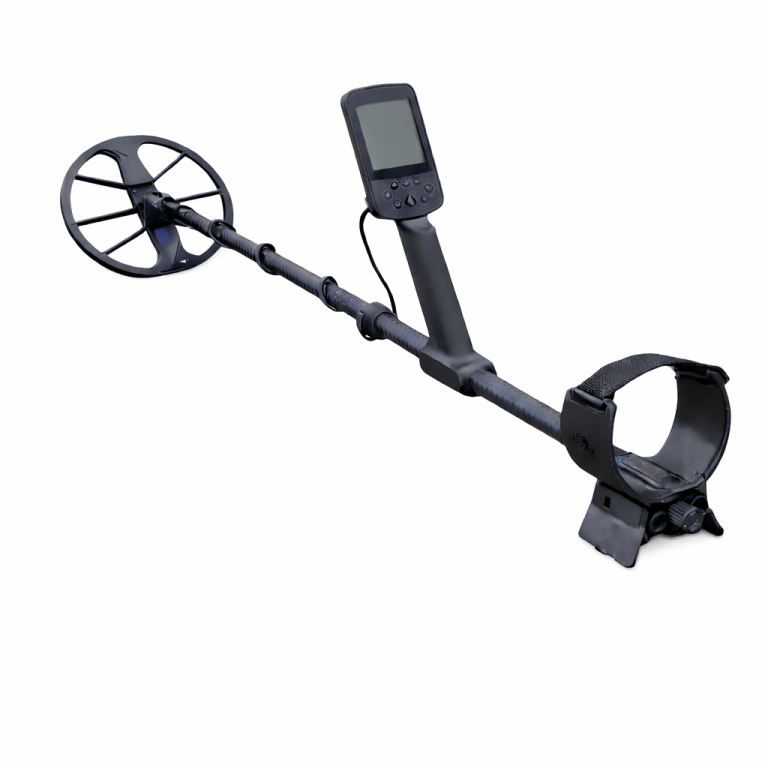
the metal detector
Start with a detector that is reliable and easy to use
Your detector is the most important part of your kit. For most beginners, it is better to choose a machine that is straightforward, dependable, and comfortable to use rather than one packed with advanced features you may not need straight away.
A good beginner detector should help you:
learn signals clearly
spend more time detecting and less time adjusting settings
build confidence in the field
As your experience grows, you may decide to upgrade later. The important thing at the start is choosing something that helps you learn the hobby properly.
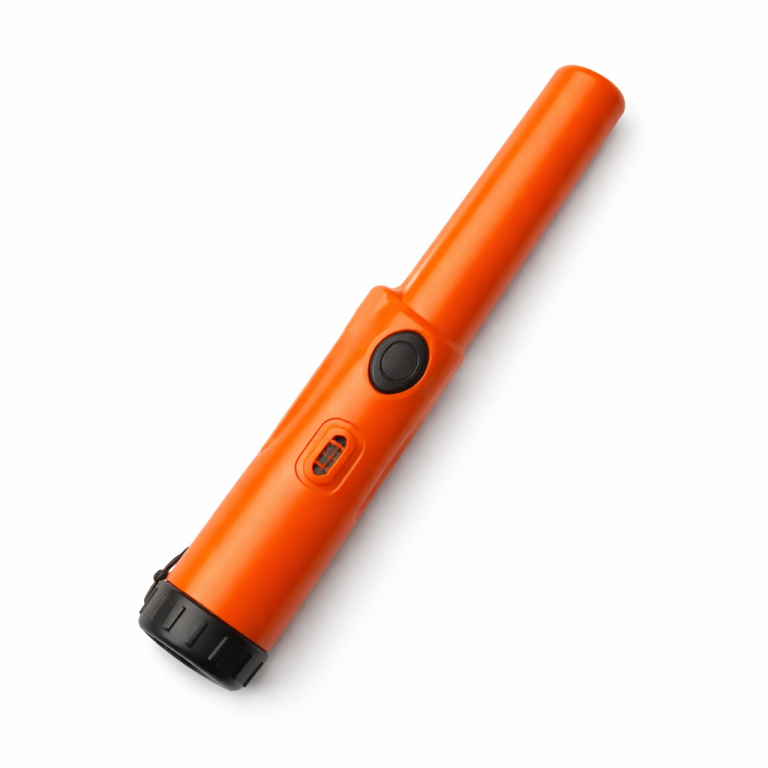
the pinpointer
A small tool that makes a big difference
A pinpointer is a handheld tool used to locate the exact position of a target once you have opened the ground.
It can help you:
recover finds faster
reduce unnecessary digging
locate smaller objects more easily
make the whole process less frustrating
Many detectorists quickly come to see a pinpointer as an essential part of their everyday kit.
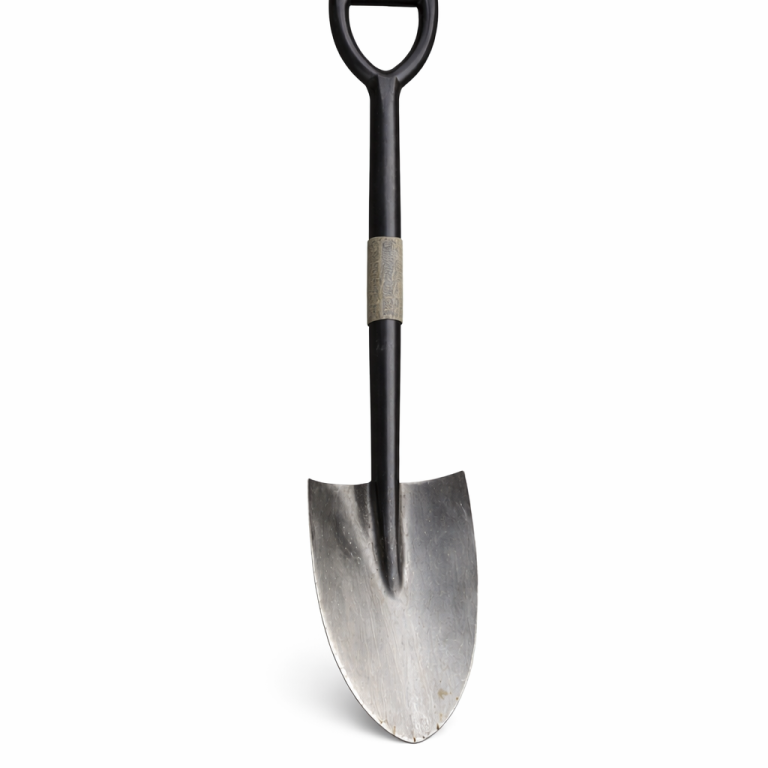
The digging tool
Choose something strong and practical
A reliable digging tool is essential for recovering targets cleanly and responsibly.
Depending on where you detect, this might be:
a trowel
a digging knife
a spade or shovel
The best choice often depends on the type of land you are on, but whatever you use should be strong, comfortable in the hand, and suitable for careful recovery.
Good digging technique matters just as much as the tool itself. Clean recovery, tidy plugs, and respect for the land are all part of responsible detecting.
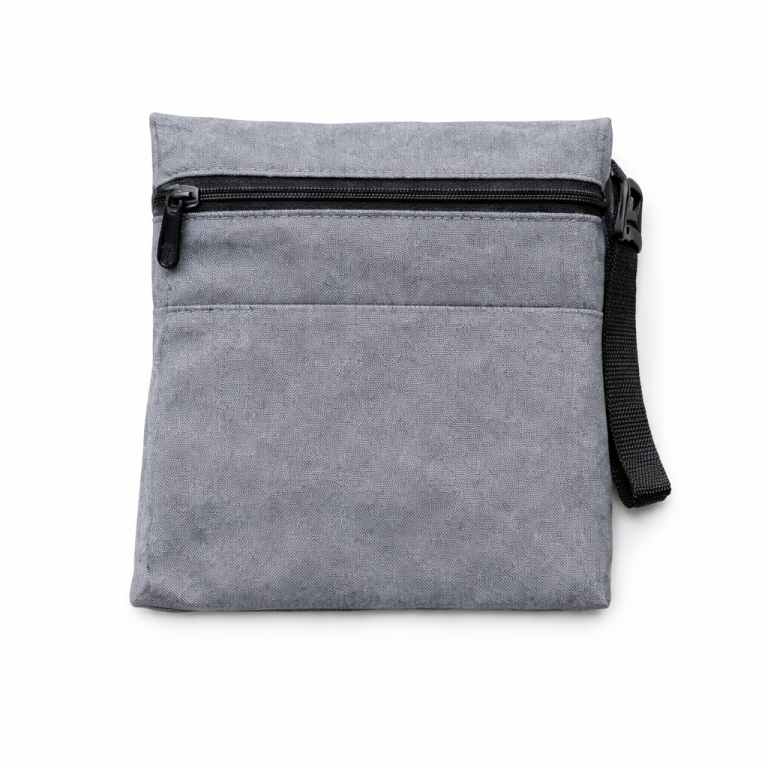
finds pouch and storage
Keep your finds safe
A finds pouch makes life much easier in the field.
It helps you:
carry recovered finds safely
keep rubbish separate from worthwhile finds
stay organised while detecting
avoid filling your pockets with loose items
Even a simple pouch can make a noticeable difference to how practical and enjoyable a detecting session feels.
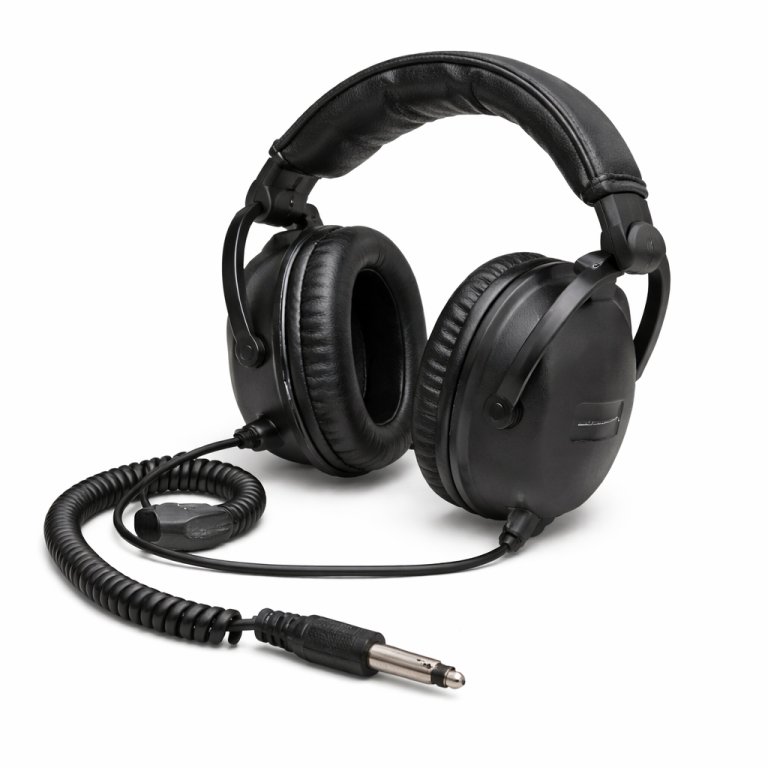
Headphones
Hear more clearly in the field
Headphones help many detectorists hear signals more clearly, especially in windy conditions or noisy environments.
They can also help with:
clearer target sounds
greater focus
reduced disturbance to others
longer battery life on some machines
Some detectorists prefer wired headphones, while others prefer wireless options. The important thing is comfort and clear sound.
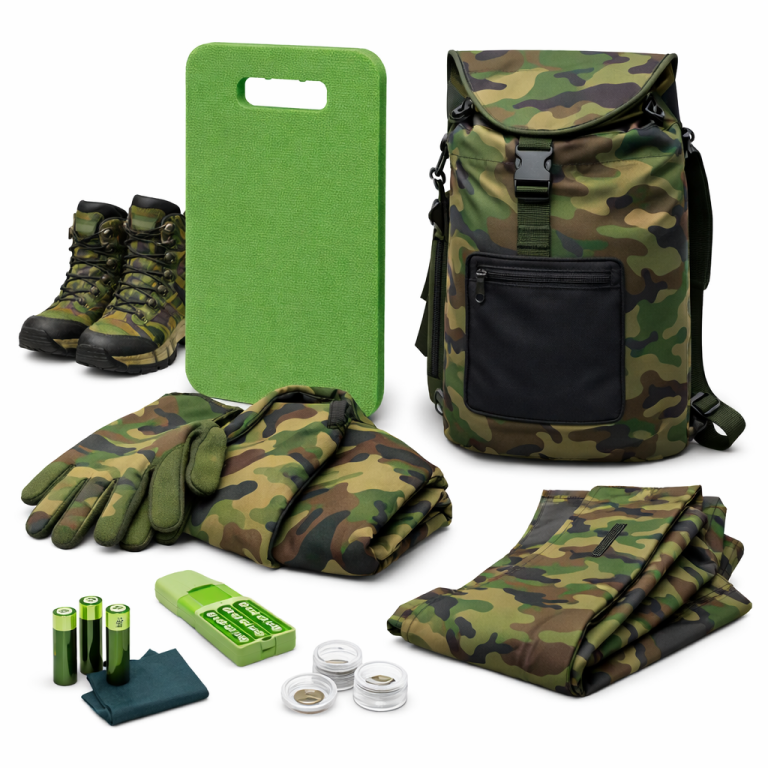
Useful extras
Helpful items that can make detecting easier
Once you have the essentials, there are a few extras that can make a day out more comfortable and efficient.
Useful additions include but are in no way limited to:
gloves
a kneeling pad
spare batteries or charging pack
waterproof bag or backpack
cleaning cloth
small containers for delicate finds
weather-appropriate clothing and boots
These are not always essential on day one, but they can quickly become part of a practical field kit.
If you are unsure what to buy first, head to the Gear Guide for beginner-friendly recommendations.
How to Choose Your First Detector
Your first detector does not need to be the most expensive. It needs to be reliable, easy to learn, and suited to the kind of detecting you want to do.
Keep it simple
Choose something beginner-friendly rather than overloaded with features you do not yet understand.
Think about your budget
A good beginner machine is better than overspending on something complicated you may not use properly.
Buy from trusted retailers
Good advice and after-sales support matter.
Don't forget accessories
A detector is only part of your setup. You will need a pinpointer, digger and a few other essentials make life much easier.
For my current beginner recommendations, prices, and trusted shops, visit the Gear Guide.
Where You Can Detect
One of the biggest beginner questions is where metal detecting is actually allowed. First you need permission, and not every place is suitable. Some areas are restricted, protected, sensitive, or simply unsuitable. Always check before detecting.
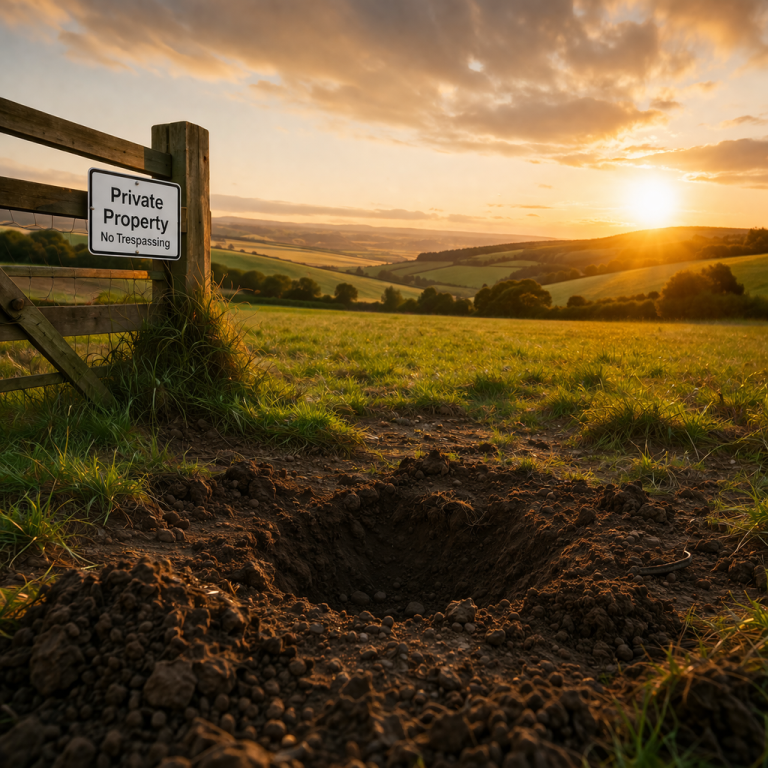
Private land
Most detecting happens on private land, Farmland is one of the most common places to detect, but you must have clear permission and respect crops, livestock, gates, and the land itself.

Rallies
These can be a good way to get started, meet others, and detect land legally through organised permission.

on the beach
The beach is a great place to start metal detecting because it is easy to access and often produces finds. Some beaches are Crown Estate foreshore, but rules vary and you should always check local restrictions before detecting.
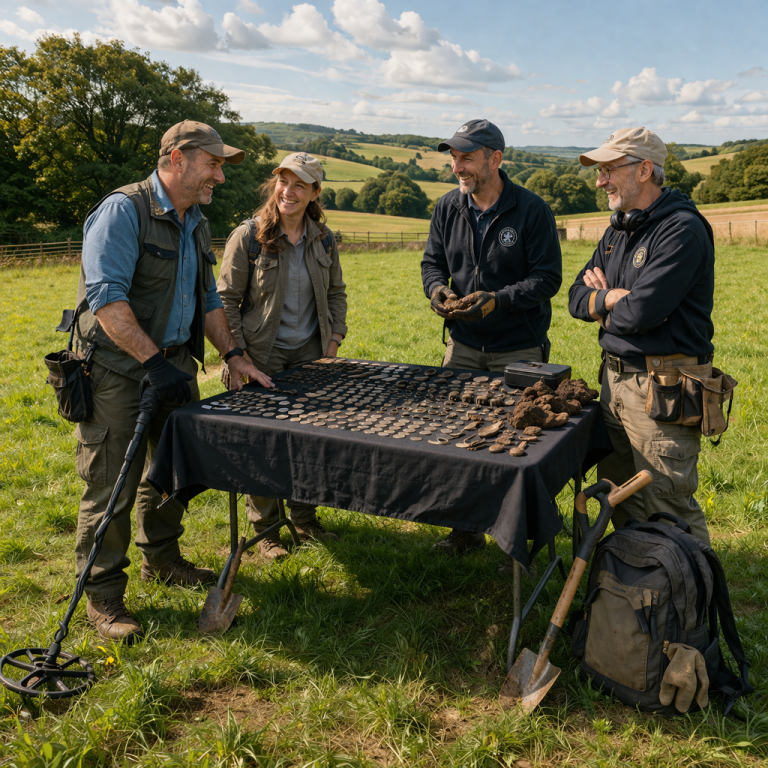
Clubs
Joining a club can help you learn faster, find opportunities, and understand good practice.
Detecting is not just about finding land. It is about detecting in the right places, with the right permission, in the right way.
For a deeper look, check out the book 'Experts In Our Field''
How Permission Works
Before you detect on private land, you need permission from the landowner. Verbal permission is better than nothing, but written permission is much better.
To make this easier, I have put together a free Permission Pack with templates you can use.
Always ask first
Never assume land is fine to detect just because it looks empty or accessible.
Get it in writing
A written agreement helps avoid misunderstandings and shows professionalism.
Be clear respectful
Explain who you are, what metal detecting involves, and how you will treat the land and any finds.
Agree the basics
It helps to be clear about:
- where you can detect
- when you can detect
- whether others can join you
- what happens with finds
- how long permission lasts.
Responsible Detecting
Good detecting is not just about what you find. It is about protecting land, respecting history, and helping the hobby keep a good name.
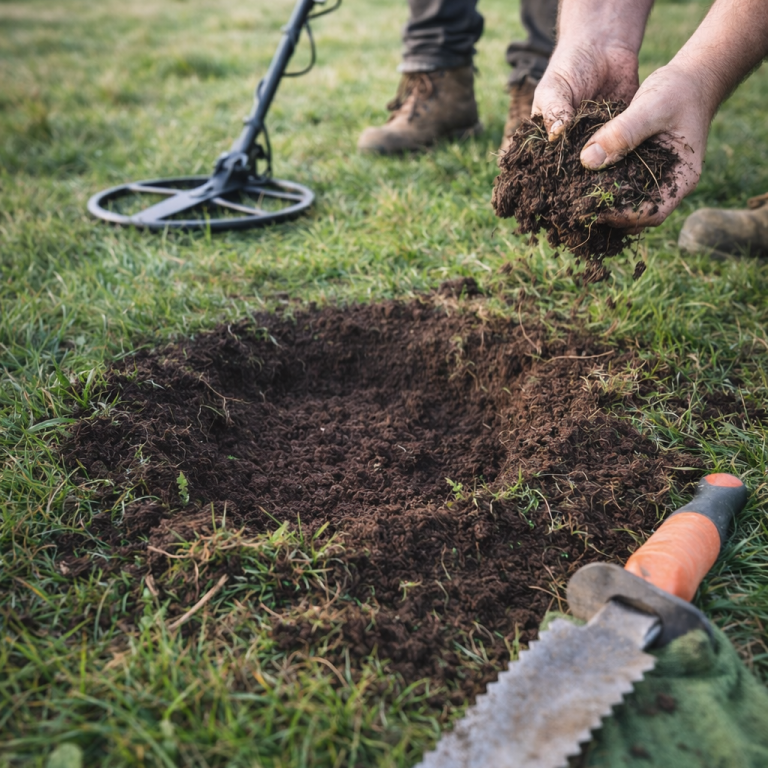
Respect the land
Fill your holes properly, avoid damage, and leave the land as you found it.
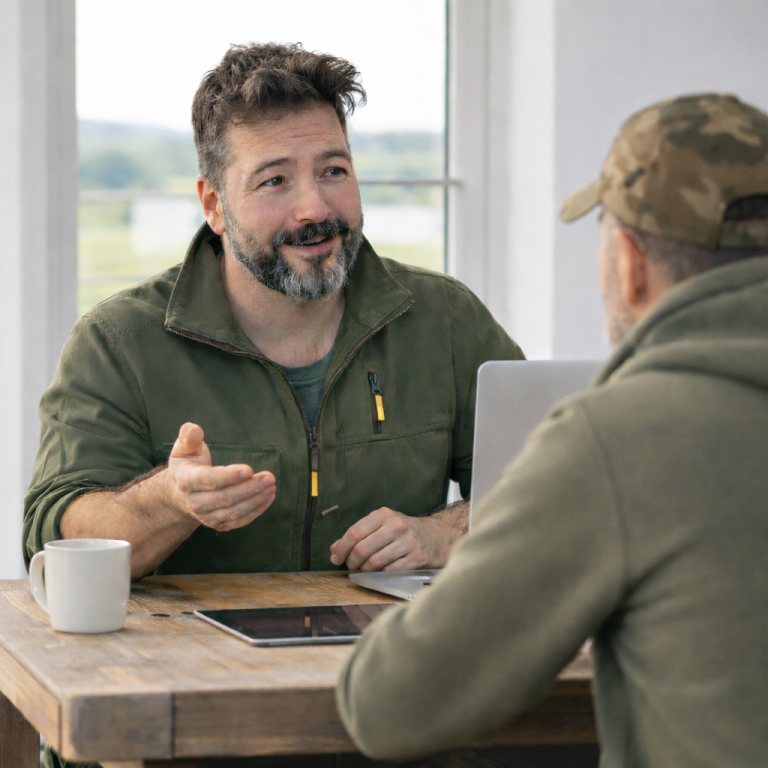
Respect the landowner
Always get permission before detecting, follow any conditions you are given, and leave gates, livestock, crops, and property exactly as you found them.
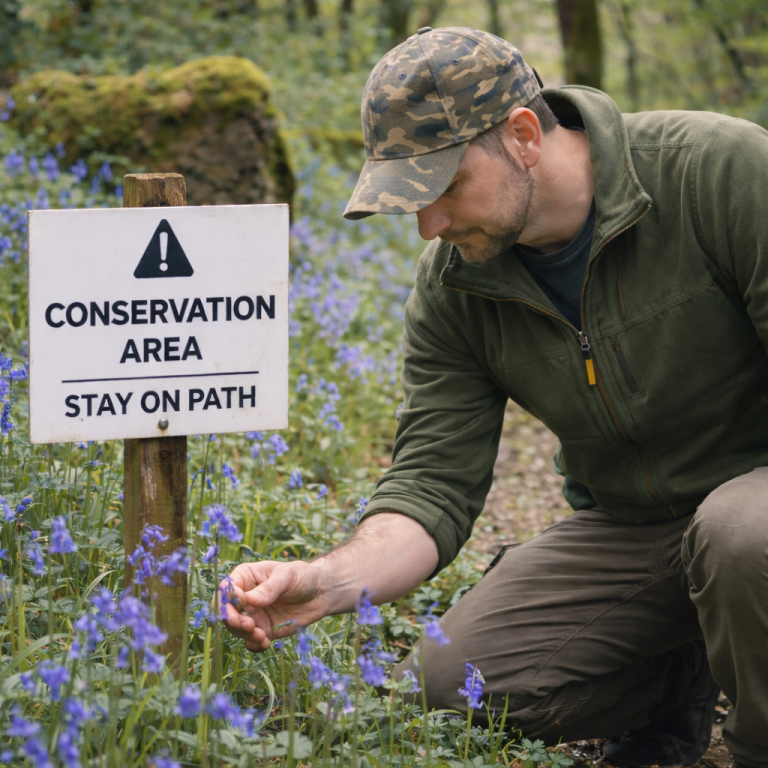
Respect sensitive places
Some places are historically or legally sensitive and need extra care or should be avoided entirely.
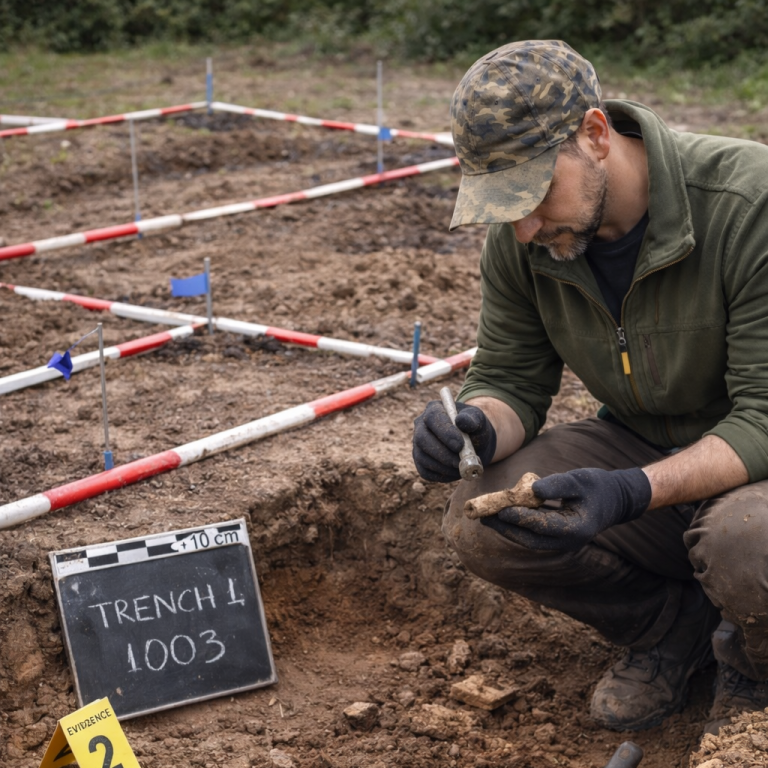
Detect responsibly
Responsible detecting protects the future of the hobby and helps ensure good relationships with landowners and the wider public.
Beginners who learn the right habits early usually enjoy the hobby more and keep permissions longer.
TREASURE & RECORDING FINDS
Some finds are more than just interesting. They may need to be reported.
Metal detecting is not just about finding objects. It is also about helping protect history. Some discoveries may fall under treasure laws, and many other finds can still be useful for archaeological recording.
In England, Wales and Northern Ireland, the Treasure Act applies to certain finds. In Scotland, different Treasure Trove rules apply. The Portable Antiquities Scheme also helps record archaeological finds so they can add to our understanding of the past.
When unsure, speak to your Finds Liaison Officer, local museum, or relevant local contact before cleaning, keeping, selling, or assuming anything about a find.
RULES, LAWS & INSURANCE
Good detecting starts before you switch your detector on.
Metal detecting is a brilliant hobby, but it comes with responsibility. Before you head out, make sure you understand the basics around permission, protected sites, reporting finds, and looking after yourself and the landowner.
Always get permission, follow the law, report finds when required, avoid protected sites, and consider public liability insurance. Joining a responsible club or organisation can also help you learn good practice and stay up to date.
You do not need to learn everything at once. Start with the basics, get the right support, and build your confidence one step at a time.
01
Download the free Permission Pack
Get the permission letter, landowner agreement template, and simple tips for asking landowners the right way.
Read the Gear Guide before buying equipment
02
Avoid wasting money on the wrong kit and learn what you actually need to get started.
03
Buy Experts in Our Field
Get the complete guide to metal detecting, with practical advice you can keep coming back to.
YOUR NEXT STEPS
Ready to start detecting properly? Here’s what to do next.
04
Join the email list
Get updates, new resources, recommended products, and useful detecting tips sent straight to you.